Player Input Integration in Platform Certification Processes
Written by Frankie Schmitz · Sep 7, 2026
Player Input Integration in Platform Certification Processes
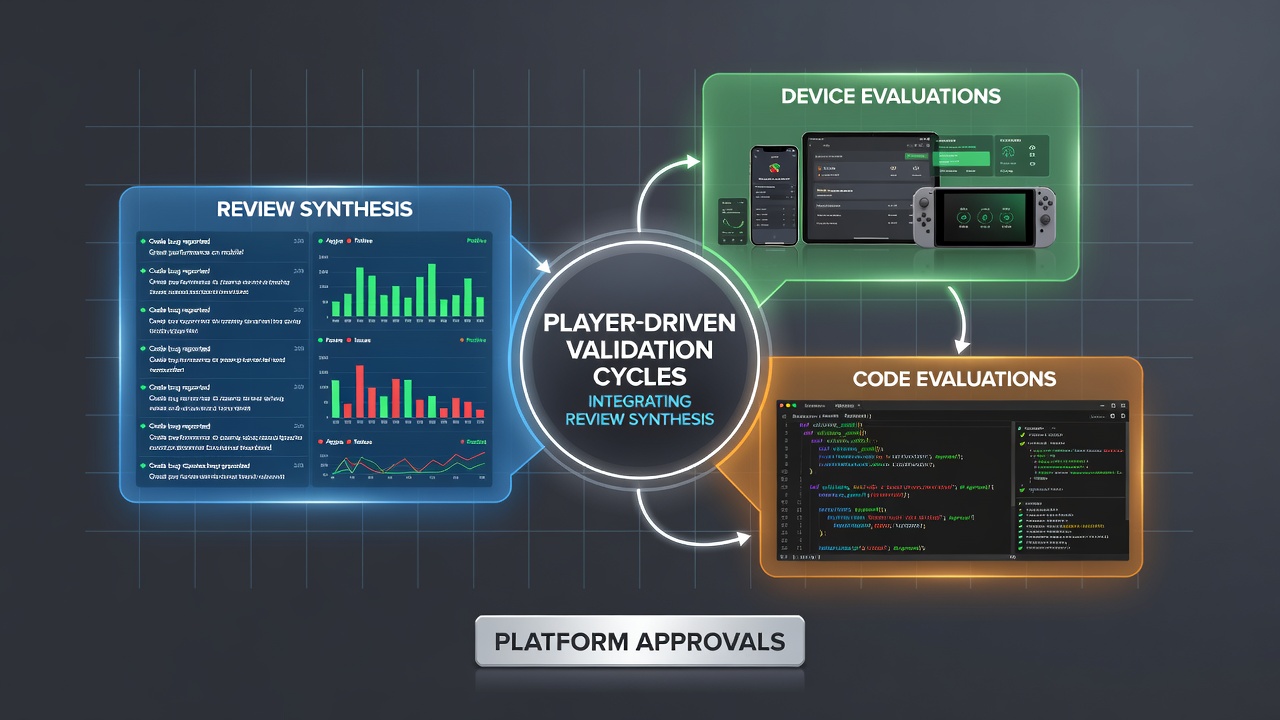
Player-driven validation cycles combine synthesized user reviews with device evaluations and code assessments to support platform approvals across multiple gaming ecosystems, and data from industry reports indicates these integrated approaches have gained traction since early 2020s implementations. Researchers at various institutions have tracked how aggregated feedback from player bases feeds directly into hardware stress protocols, while code audits examine stability under reported conditions, creating pathways that regulatory frameworks in several regions now reference during certification reviews.
Core Components of Integrated Validation
Review synthesis starts with collection of structured player reports on gameplay issues, performance anomalies, and device-specific behaviors, after which analysts categorize entries by frequency, severity, and correlation with particular hardware configurations or software versions. Device evaluations then test those flagged scenarios on representative hardware grids that include consoles, mobile units, and PC setups spanning different regions, while code evaluations focus on root causes in the underlying scripts and engines that might trigger the reported problems. Observers note that this layered method allows certification bodies to verify compliance before final approvals, and figures from cross-platform projects reveal reduced iteration counts when teams align these three streams early in development pipelines.
Workflow Patterns Observed in Recent Projects
Development teams often map player review clusters to specific device test matrices first, then route confirmed issues into targeted code reviews that check for memory leaks, rendering conflicts, or network synchronization errors. In September 2026, several platform holders plan to update their submission requirements to mandate documented evidence of such integrated cycles, drawing on precedents set by earlier guidelines from bodies like the Australian Classification Board and the Entertainment Software Association. Those who've examined multiple approval dossiers find that projects incorporating synthesized reviews alongside device and code checks tend to clear compliance mapping faster because discrepancies surface during the synthesis stage rather than after hardware deployment.
One study released by a Canadian research consortium highlighted cases where aggregated input from thousands of players identified edge-case device behaviors that standard lab tests had missed, prompting developers to adjust code paths before resubmission. External audits then cross-reference these adjustments against platform-specific security adn performance benchmarks, closing the validation loop without requiring full retesting cycles.

Data Aggregation and Cross-Platform Mapping
Analytics platforms now aggregate review data into heat maps that overlay device performance metrics, allowing evaluators to prioritize code segments linked to widespread player complaints about frame inconsistencies or input lag. According to reports from the European Commission's digital single market initiatives, such mapping supports consistent certification across EU member states by standardizing how feedback informs both hardware and software validations. Teams handling multiplayer titles frequently discover that regional player clusters reveal device-specific patterns tied to local network conditions, which then feed into broader compliance checks that account for global deployment variables.
Code evaluations in these cycles examine not only the flagged modules but also dependent libraries and rendering pipelines, since interconnected elements can propagate issues across different device layers. Researchers have documented instances where initial review synthesis pointed to a narrow set of mobile chipsets, yet deeper code analysis uncovered broader compatibility concerns that affected console variants as well, leading to unified fixes before platform submission.
Certification Outcomes and Industry Benchmarks
Platform approval timelines shorten when review synthesis, device testing, and code assessments operate as concurrent streams rather than sequential gates, because teams receive early signals on which player-reported problems require hardware revalidation versus pure code remediation. Industry organizations such as the International Game Developers Association have compiled case summaries showing that integrated cycles correlate with higher first-pass approval rates across North American and Asian markets. Data indicates that projects aligning these elements also maintain clearer audit trails for post-launch updates, satisfying ongoing compliance monitoring without restarting full validation sequences.
Those monitoring approval statistics note that hardware evaluations increasingly incorporate real-world player configurations pulled from review datasets, moving beyond synthetic benchmarks to include configurations reported in the field. This shift has prompted code review protocols to include dynamic analysis under simulated load conditions derived directly from synthesized feedback, ensuring that platform certifications reflect actual usage patterns rather than idealized test environments alone.
Conclusion
Player-driven validation cycles continue to evolve as platforms refine how synthesized reviews intersect with device evaluations and code assessments during approval workflows. Evidence from ongoing projects demonstrates that structured integration of these elements produces traceable pathways from player input through technical verification to final certification decisions, supporting consistent outcomes across diverse hardware and regional requirements. Future updates scheduled for 2026 and beyond will likely build on these established patterns to further streamline cross-platform processes.